
Choosing the right roofing material is one of the most important decisions you can make for your home’s appearance, protection, and long-term value. A roof is not just something that keeps rain out. It plays a major role in your home’s curb appeal, energy performance, maintenance needs, and how well the house fits its architectural style.
For homeowners in coastal New Jersey, the decision matters even more. Salt air, wind, heavy rain, summer heat, winter storms, and aging home exteriors can all affect how a roof performs over time. The best roofing material for one home may not be the right choice for another. A classic shore colonial, a cedar-sided Cape Cod, a historic home, and a modern coastal build may each call for a different approach.
Premium roofing material is about more than price. It is about choosing a material that fits your architecture, your budget, your maintenance expectations, and how long you want the roof to last. Understanding the different types of roofing material can help you make a confident choice instead of simply picking what looks good in a photo.
Choosing the Right Roofing Material for Your Home’s Architecture
Choosing the right roofing material starts with your home’s design. The roof should feel like a natural part of the house, not an afterthought. When the roof style, color, texture, and material work with the architecture, the whole exterior looks more finished and intentional.
A traditional colonial home often looks best with architectural asphalt shingles, slate, or synthetic slate. These materials support the clean, balanced lines of the home without overwhelming it. A Cape Cod or coastal cottage may be better suited for cedar roofing, especially when paired with natural siding, white trim, or classic shore-inspired details. Larger custom homes may benefit from slate, standing seam metal, or premium designer shingles because these materials add depth and long-term value.
Modern homes often call for cleaner lines. Metal roofing can work especially well on contemporary architecture, farmhouse-inspired homes, and accent roof sections over porches, dormers, or additions. Homes with stone, brick, or detailed trim may look beautiful with slate or synthetic slate because the roof adds texture without looking too busy.
The goal is to choose a roofing material that protects the home while respecting its character. A roof should improve the architecture, not fight against it.
Different Types of Roofing Material for Premium Homes
There are many different types of roofing material, but premium homes usually narrow the choice to a few strong options. These include architectural asphalt shingles, cedar roofing, slate roofing, synthetic slate, metal roofing, and specialty designer shingles.
Architectural asphalt shingles are one of the most common choices because they offer a strong balance of performance, appearance, and cost. They are thicker and more dimensional than basic three-tab shingles, which gives the roof a more polished look. While asphalt is not always considered a luxury material, high-end architectural and designer shingles can work very well on upscale homes that need beauty and practicality.
Cedar roofing is a classic choice for coastal and traditional architecture. Cedar shakes or shingles bring natural warmth and character that many manufactured materials try to imitate. They are especially fitting for shore homes, Cape Cod-style houses, and homes with natural exterior finishes. Cedar does require proper installation and maintenance, but when done well, it creates a timeless look.
Slate is one of the most durable and elegant roofing options available. It is often used on historic homes, estate-style properties, and architecture that calls for a refined, long-lasting material. Natural slate has a distinctive appearance that is difficult to fully duplicate. It is heavy, however, so the home must be structurally suited for it.
Synthetic slate gives homeowners a similar look with less weight and often lower installation complexity. It can be a strong choice for homeowners who want the appearance of slate but need a more practical option for their home’s structure or budget.
Metal roofing is another premium option, especially standing seam metal. It has a clean appearance, sheds water well, and can be used for full roofs or accent areas. On the right home, metal roofing can look sharp, modern, and highly durable.
Best Roofing Material for Coastal New Jersey Homes
The best roofing material for coastal New Jersey homes depends on the home’s location, exposure, and design. Homes closer to the water may face stronger wind, salt air, and wind-driven rain. Homes farther inland may still deal with heavy storms, heat, and seasonal temperature changes.
Architectural asphalt shingles are often a practical choice for many New Jersey homeowners because they perform well, offer many style options, and can be replaced more affordably than slate or cedar. For homeowners who want a strong roof without moving into the highest price range, premium asphalt shingles are often a smart fit.
Cedar can be a beautiful option for shore-style homes, but it needs the right care. Because cedar is a natural material, it responds to moisture, sun, and weather over time. Proper ventilation, installation, and maintenance are important if you want cedar to perform well.
Slate is one of the strongest choices for long-term durability, especially on homes designed to support it. It can stand up well over decades when installed correctly. The main considerations are cost, weight, and the need for skilled installation.
Synthetic slate can be a good solution for homeowners who want the high-end look of slate without some of the challenges of natural stone. It offers design flexibility and can be easier to work with on many homes.
Metal roofing can also perform well in coastal settings when the right product and finish are used. It is especially useful for areas where water runoff is a concern, such as low-slope sections, porches, and architectural accents.
Roofing Material Lifespan and Long-Term Value
Roofing material lifespan should be a major part of your decision. A roof that costs less upfront may not always be the best value if it needs replacement sooner. On the other hand, the most expensive material is not always necessary for every home.
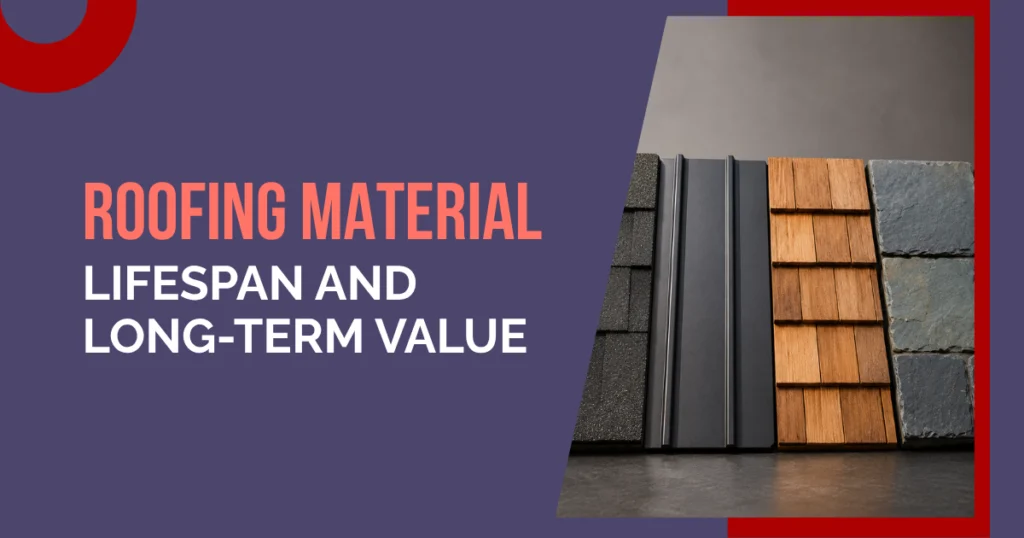
Architectural asphalt shingles often last around 20 to 30 years depending on the product, installation quality, ventilation, weather exposure, and maintenance. Premium designer shingles may offer longer performance than basic asphalt options.
Cedar roofing can last around 25 to 40 years when properly installed and maintained. Its lifespan depends heavily on moisture control, ventilation, sun exposure, and ongoing care. Cedar is beautiful, but it is not a set-it-and-forget-it material.
Natural slate can last 75 years or more, and in some cases much longer. This makes it one of the longest-lasting roofing materials available. The upfront investment is higher, but the lifespan can be exceptional when the roof is installed by an experienced team.
Synthetic slate often has a long expected lifespan as well, with many products designed to last several decades. The exact lifespan depends on the manufacturer, product quality, and installation.
Metal roofing can last 40 to 70 years depending on the material, finish, and environment. Standing seam metal is known for durability and clean water-shedding performance, which makes it a strong option for many architectural styles.
When comparing roofing material lifespan, it helps to think beyond the initial estimate. A roof affects maintenance, resale value, energy performance, and peace of mind. The right choice should fit both your home and your long-term plans.
Cheapest Roofing Material vs. Premium Roofing Options
The cheapest roofing material is usually basic asphalt shingle roofing. For many homeowners, asphalt is the most affordable way to replace a roof while still getting dependable protection. However, there is an important difference between choosing an economical roofing solution and choosing the lowest-quality option available.
A basic roof may be appropriate for some homes, especially if the goal is a practical replacement at a fair price. But for homes with distinctive architecture, higher property value, or long-term ownership plans, premium materials may make more sense.
Architectural asphalt shingles can provide a middle ground. They are more attractive and durable than basic three-tab shingles but still more affordable than cedar, slate, or metal. This makes them a popular choice for homeowners who want value without sacrificing appearance.
Cedar, slate, synthetic slate, and metal roofing usually cost more upfront. The added cost may be worth it if the material fits the architecture, lasts longer, or improves the home’s overall exterior. A premium roof can also make a major difference when paired with new siding, trim, gutters, and windows as part of a complete exterior renovation.
The best decision is not always the cheapest roofing material. It is the material that gives your home the right balance of protection, beauty, lifespan, and budget.
How to Match Roofing Material to Common Home Styles
A colonial home usually looks best with a clean and classic roofing material. Architectural shingles, slate, or synthetic slate are often strong choices because they match the home’s symmetry and traditional appearance.
A Cape Cod or shore cottage often pairs well with cedar or architectural shingles in natural, weathered, or coastal tones. These materials help preserve the relaxed, timeless character of the home.
A historic home may call for slate, synthetic slate, cedar, or a carefully selected designer shingle. The roof should respect the home’s original style while still meeting modern performance needs.
A modern farmhouse may look great with standing seam metal accents, architectural shingles, or a mix of roofing textures. The key is keeping the design clean and balanced.
A large custom home may benefit from slate, synthetic slate, cedar, or high-end designer shingles. These materials can add dimension and help the roof feel proportional to the size of the property.
Every home is different, which is why it helps to have an experienced roofing team look at the structure, roof pitch, exterior finishes, and surrounding environment before making a recommendation.
Why Installation Matters as Much as Roofing Material
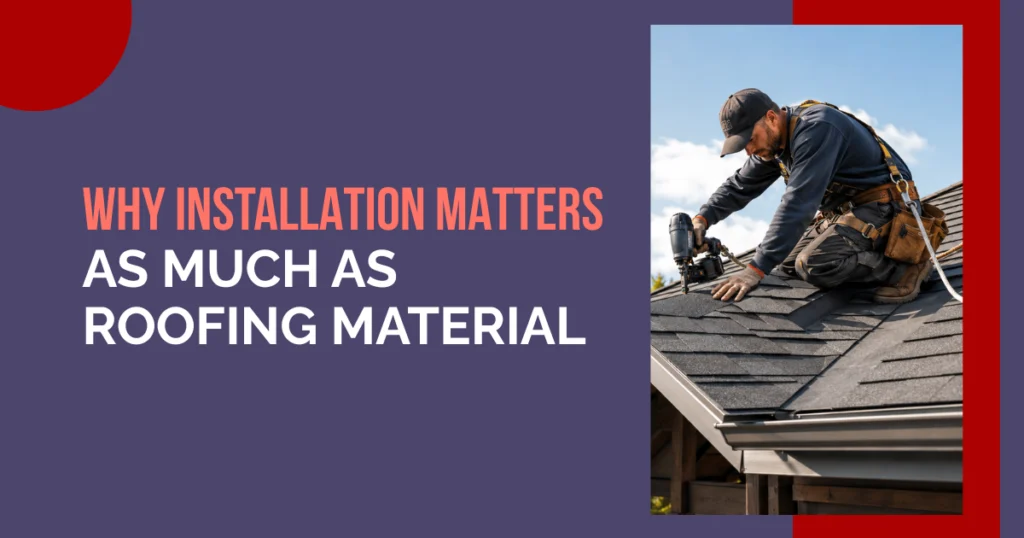
Even the best roofing material will not perform properly if it is installed poorly. Premium materials require careful planning, proper flashing, correct ventilation, and attention to detail around chimneys, valleys, skylights, vents, and roof edges.
Many roof leaks do not come from the main field of shingles or roofing material. They often happen at transition points where water needs to be directed correctly. That is why workmanship matters so much. A beautiful roof still needs to be built to handle real weather.
Ventilation is also important. Without proper airflow, heat and moisture can build up in the attic. This can shorten the life of the roof, damage decking, and contribute to interior moisture problems.
For premium materials like cedar, slate, and metal, experience matters even more. These products require specific installation methods. The right contractor should be able to explain your options clearly, answer questions directly, and recommend what your home actually needs without pushing unnecessary upgrades.
Choosing the Best Roofing Material for Your Home
The right roofing material should protect your home, fit your architecture, and make sense for your budget. Architectural asphalt shingles may be the best roofing material for homeowners who want reliable performance and strong value. Cedar may be ideal for a classic coastal look. Slate may be the right choice for long-term durability and timeless character. Synthetic slate may offer the appearance of slate with added flexibility. Metal may be the best fit for clean lines, durability, and certain architectural styles.
Choosing the right roofing material is easier when you work with an experienced team that understands both roofing performance and exterior design. From roof repairs and full replacements to siding, windows, gutters, trim, and complete exterior renovations, the right contractor can help you choose materials that support the look, function, and long-term value of your home.
If you are unsure which roof fits your home best, schedule a free roofing inspection. You can get honest guidance, clear communication, and practical recommendations without pressure or scare tactics.